

How to Temper Chocolate at Home: The Complete Guide
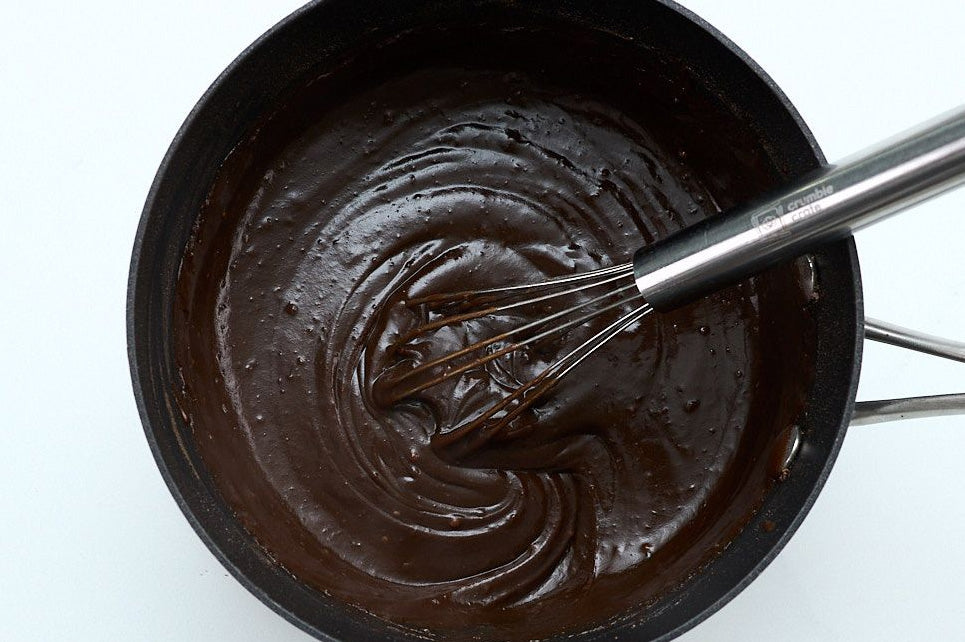
Tempering chocolate at home means melting it, carefully cooling it, and warming it back to a precise working temperature so the cocoa butter sets in a stable crystal structure. The result: chocolate that is glossy, snaps cleanly, and melts smoothly at body temperature. This guide covers all three home methods — tabling, seeding, and microwave — with a temperature reference chart and troubleshooting for every common mistake.
Properly tempered chocolate doesn't just look better — it behaves differently. It contracts as it cools (which means it releases cleanly from moulds). It has a snap you can hear. It melts on the tongue in a clean, even wave rather than a greasy blur. It holds its shape at room temperature instead of softening in your hands.
All of this comes from one thing: the crystal structure of the cocoa butter inside the chocolate.
Cocoa butter can form six different types of fat crystals when it cools. Only one of those crystal types — called Form V (or Beta crystals) — produces the qualities we want in finished chocolate. Tempering is the process of encouraging Form V crystals to dominate, and discouraging all the other, less stable forms.
When you understand that, the temperature targets in this guide stop feeling arbitrary. They're not rules — they're the melting and setting points of specific crystal types. Hit those temperatures in the right order, and you get the chocolate you want every time.
"The first time you temper chocolate successfully, you'll understand why it's worth the effort. That snap, that shine — you made that." — Paula, CrumbleCrate Founder
Why Tempering Matters (and When You Can Skip It)
When to temper
Temper chocolate when the finished product needs to set firm, look glossy, and snap cleanly — chocolate truffles, dipped fruit, moulded bonbons, chocolate decorations, and enrobed bars all require tempered chocolate.
When you can skip it
If you're melting chocolate into a cake batter, brownie mix, or ganache filling, tempering is unnecessary. The chocolate is being incorporated into other ingredients — its crystal structure doesn't matter because it's not setting on its own.
What You Need
- Good quality chocolate: Use couverture chocolate or a quality bar chocolate with a cocoa butter content of at least 31%. Do not use chocolate chips — they often contain stabilisers that interfere with tempering.
- A digital probe thermometer: Non-negotiable. The temperature windows are too narrow to work by feel. A basic instant-read thermometer is all you need.
- A heatproof bowl: For the seeding and microwave methods. A stainless steel bowl works best.
- A silicone spatula or palette knife: For stirring and spreading.
- For tabling method only: A marble or granite slab and a palette knife.
Temperature Reference Chart
| Chocolate Type | Melt Temperature | Cool to | Working Temperature |
|---|---|---|---|
| Dark chocolate (70%+) | 50–55°C / 122–131°F | 27–28°C / 81–82°F | 31–32°C / 88–90°F |
| Dark chocolate (54–70%) | 45–50°C / 113–122°F | 27–28°C / 81–82°F | 31–32°C / 88–90°F |
| Milk chocolate | 40–45°C / 104–113°F | 26–27°C / 79–81°F | 29–30°C / 84–86°F |
| White chocolate | 40–45°C / 104–113°F | 25–26°C / 77–79°F | 27–28°C / 81–82°F |
Note: White chocolate has the narrowest temperature windows and burns most easily. Always start with dark chocolate when learning to temper.
Method One: Seeding (Recommended for Home Bakers)
The seeding method is the most practical for home use. It's reliable, requires no special equipment beyond a thermometer, and produces consistently good results.
How it works: You melt most of your chocolate (about 70%), then add finely chopped unmelted chocolate (the "seed"). The seed chocolate is already in a stable Form V crystal structure — adding it to the melted chocolate introduces those stable crystals, which then encourage the rest of the chocolate to crystallise in the same way as it cools.
Step 1 — Chop your chocolate finely. Set aside roughly 30% as your seed chocolate. Finely chopped chocolate has more surface area, which helps it melt into and influence the melted chocolate more effectively.
Step 2 — Melt the remaining 70% of your chocolate. You can do this over a bain-marie (a bowl set over barely simmering water — the bowl must not touch the water) or in a microwave on 50% power in short bursts, stirring between each. Heat to the melt temperature for your chocolate type. Keep water away from the chocolate at all costs — even a drop can cause the chocolate to seize.
Step 3 — Remove from heat and add the seed chocolate in three additions, stirring well after each. The seed melts into the warm chocolate, bringing the temperature down while introducing stable crystals.
Step 4 — Keep stirring. The temperature will gradually drop toward your cooling target. Stir continuously — the movement helps the stable crystals propagate evenly through the whole batch.
Step 5 — Once you reach the cooling target, warm very briefly if needed to bring to working temperature. The chocolate is now in temper. Work quickly — it will begin to thicken as it cools further.
Step 6 — Test your temper. Dip the tip of a palette knife or the back of a spoon in the chocolate and set it on the worksurface. At correct room temperature (18–20°C), tempered chocolate will begin to set within 3–5 minutes and will be fully set, glossy, and firm in 10–15 minutes. If it blooms grey or stays tacky, the temper isn't quite right — continue stirring and re-check the temperature.
Method Two: Tabling (Classic)
The traditional method used in professional chocolate rooms. Requires a marble or granite slab.
Melt all your chocolate to the melt temperature. Pour roughly two-thirds onto the marble slab. Using a palette knife and bench scraper, spread, fold, and work the chocolate across the cold surface — continuously moving it to cool it down quickly and evenly. Watch the temperature. When the chocolate on the slab reaches the cooling target, scrape it back into the bowl with the remaining warm chocolate and stir vigorously. Check the temperature — if it's at working temperature, you're in temper. If it's slightly above, continue stirring until it reaches the target.
Why professionals prefer it: Faster for large batches, very precise temperature control once you get the feel for it. Harder to learn at home without a marble slab.
Method Three: The Microwave Method (Quickest)
Yes, you can temper chocolate in a microwave. It requires more attention and a light touch, but it works well for small batches.
Step 1 — Chop your chocolate finely and place in a microwave-safe bowl.
Step 2 — Microwave in short bursts. Heat on medium power (50%) in 15–20 second intervals, stirring well between each burst. Do not rush this. The chocolate will look unmelted long after it has actually softened — stir it before assuming it needs more heat. You're aiming for the melt temperature for your chocolate type.
Step 3 — Cool by stirring. Once melted, stir the chocolate continuously at room temperature to bring the temperature down toward your cooling target. This takes patience — just keep stirring.
Step 4 — Warm briefly if needed. A single 5–10 second burst in the microwave can bring it back up to working temperature if it overshoots the cooling target. Stir, check temperature, repeat as needed.
The microwave method has a slightly higher margin for error, but for small batches of dipping chocolate or drizzles, it's perfectly practical.
Method Comparison: Which Should You Choose?
| Method | Difficulty | Equipment Needed | Best For |
|---|---|---|---|
| Tabling (Classic) | Intermediate | Marble slab, palette knife, thermometer | Large batches, professional finish |
| Seeding (Recommended) | Beginner-friendly | Bowl, spatula, thermometer | Most home bakers, first-timers |
| Microwave | Beginner-friendly | Microwave, thermometer | Small batches, quick projects |
What Chocolate Tempering Is Used For
Once you have tempered chocolate, the world of chocolate work opens up considerably. Here are the most common applications home bakers use it for:
Chocolate-dipped fruit and confections. Strawberries, dried apricots, figs, caramels, toffees, and marshmallows all take on a professional finish when dipped in tempered chocolate.
Moulded chocolates. Filled bonbons, chocolate shells, and decorative shapes all require tempered chocolate to release cleanly from the mould.
Chocolate decorations. Curls, shards, fans, and transfer-sheet designs all depend on tempered chocolate setting firm enough to hold their shape.
Truffles and pralines. The outer shell of a hand-dipped truffle is tempered chocolate. It's what gives it that thin, snappy coating over the soft ganache centre.
Enrobing bars and slabs. If you make homemade chocolate bars with inclusions — nuts, dried fruit, sea salt — tempered chocolate is what gives them that professional, glossy finish.
Common Mistakes and How to Fix Them
The chocolate seized (turned thick and grainy). Water got in. Even one drop can cause this. Unfortunately, seized chocolate cannot be tempered. You can save it by adding more liquid and turning it into a ganache or hot chocolate, but for tempering purposes, start again with a fresh batch.
The chocolate bloomed (grey, streaky surface after setting). The temper broke — likely the chocolate got too warm during use, or was cooled too quickly. Melt it down and start the tempering process again. Bloomed chocolate is perfectly safe to eat and works fine re-tempered.
The chocolate is too thick to work with. It cooled too far and too many crystals formed. Gently warm it back up to working temperature and stir well.
The chocolate isn't setting on your test strip. The chocolate isn't properly tempered yet. Continue cooling and agitating. If using the seeding method, add a little more seed chocolate and stir.
The chocolate set but looks dull, not shiny. The working environment may be too warm, or the moulds or dipping items were too cold (condensation) or too warm. Aim for a cool, dry kitchen — around 18–20°C is ideal for setting tempered chocolate.
A Few Things That Make All the Difference
Work in a cool, dry kitchen. Humidity and warmth are your enemies. If your kitchen is above 22°C or particularly humid, your chocolate will struggle to set properly and may bloom.
Keep everything dry. Water and chocolate are fundamentally incompatible during tempering.
Don't rush the cooling. The temptation to pop your dipped chocolates in the fridge to set faster is understandable — but resist it. Rapid chilling causes bloom and can crack moulded chocolates. Let tempered chocolate set at cool room temperature.
Stir constantly during cooling. Movement is what encourages the right crystals to form and spread.
Your second batch will always be better than your first. Chocolate tempering at home has a learning curve, and a lot of that learning comes from doing it and feeling how the chocolate changes as you work it.
Frequently Asked Questions
Do I really need a thermometer to temper chocolate?
Yes. The temperature windows are too narrow to work by feel, especially as a beginner. A basic digital probe thermometer costs very little and makes the process reliable. It's the one tool you genuinely cannot skip. CrumbleCrate's chocolate kits include one for exactly this reason.
Can I temper chocolate chips?
Standard chocolate chips often contain stabilisers like polyglycerol polyricinoleate that interfere with proper crystal formation. They're designed to hold their shape in the oven, not to temper cleanly. Use a good quality bar or couverture chocolate instead.
What is chocolate bloom and is it safe to eat?
Bloom is the grey, streaky, or dusty appearance that develops when chocolate is untempered or when the temper breaks. It happens because unstable cocoa butter crystals migrate to the surface. It is completely safe to eat — it's just a visual and textural issue. Bloomed chocolate can be melted down and re-tempered.
How long does tempered chocolate last?
Properly tempered and stored chocolate will keep for weeks at cool room temperature (around 15–18°C), away from light and moisture. Once you've used tempered chocolate for dipping or moulding, finished pieces can be stored at room temperature in the same conditions.
Is white chocolate harder to temper than dark?
Yes. White chocolate has the narrowest temperature windows, melts at lower temperatures, and burns very easily. If you're new to tempering, always start with a good quality dark chocolate before attempting white.
Does CrumbleCrate include a chocolate tempering kit?
Yes. CrumbleCrate's chocolate kits include couverture chocolate, a digital thermometer, and step-by-step video tutorials that guide you through the seeding method at home. Each kit is designed for beginners — everything you need for your first successful temper is in the box. Rated 4.9/5 by 10,847 bakers.
The Bottom Line
Chocolate tempering at home is one of those skills that feels intimidating until the first time you do it successfully — and then it feels like the most natural thing in the world.
The science is real, but the process is simple. Melt completely, cool carefully, warm back to working temperature, and stir throughout. That's it. Everything else is detail, and the details come with practice.
Your first batch may not be perfect. Your second will be better. By your third, you'll be doing it by instinct — watching the chocolate thicken slightly on the spatula, feeling the moment it starts to move differently, knowing before you even test it that the temper is right.
Want to try tempering with everything you need in one box? CrumbleCrate's chocolate kits include couverture chocolate, a digital thermometer, and video-guided instruction for your first temper — plus a specialty tool you'll keep using long after the kit is done. Rated 4.9/5 by 10,847 bakers.

Paula
Crumble Crate is the culmination of years of experimenting with cooking and baking in my home kitchen. Since I was a small child, I found a simple pleasure in creating fresh delicious treats and sharing them with my family and friends. As life became more complicated, the basic task of baking in my kitchen became an even more critical and comforting sanctuary.I want to share this joy of baking with you so that you too can experience the bliss you feel when you create and share fresh baked goodies with your loved ones. My goal is for us to explore baking together and take the stress out of the process so that you can decompress and learn to find refuge in your kitchen. I can’t wait to begin this baking journey with each of you!


