

How to Laminate Dough at Home: Croissants, Puff Pastry & More
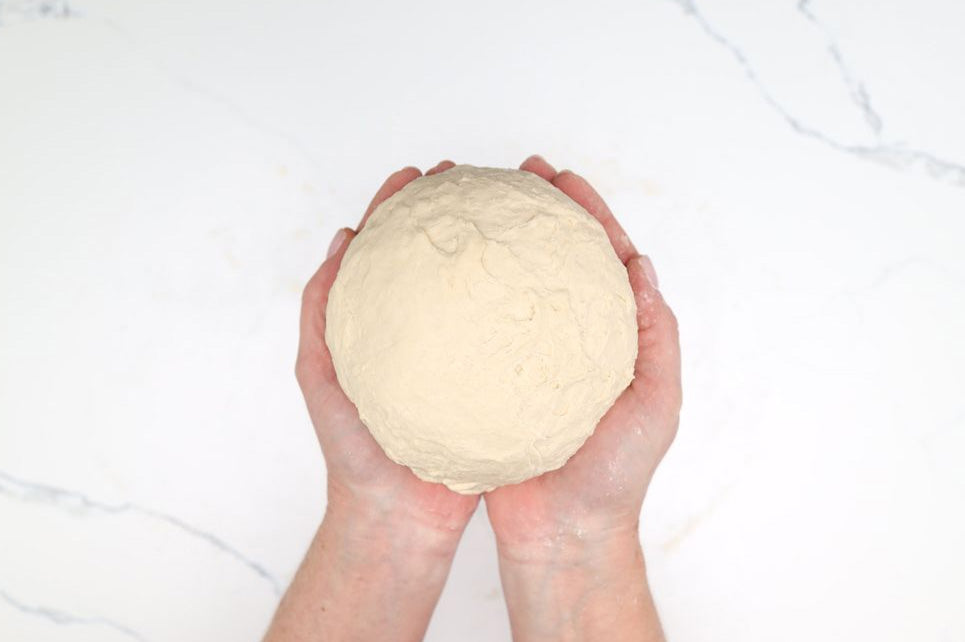
Laminating dough at home means folding cold butter into dough in repeated layers to create the flaky, shattering texture of croissants, puff pastry, and Danish pastries. This guide covers the full technique step by step — from preparing your butter block to the final bake — with troubleshooting tips for every stage.
There is a particular kind of magic that happens when a laminated pastry comes out of the oven. The layers puff apart. The exterior shatters into thin, paper-crisp shards. The inside pulls open in soft, honeycomb ribbons. You can hear it when you bite in.
That sound — that crunch — is the whole point.
And it all comes from one technique: lamination. The process of folding cold butter into dough, again and again, until the two are layered together hundreds of times over. It sounds laborious. It can be. But it is also one of the most satisfying and genuinely teachable skills in all of baking — and once you understand what is actually happening inside that dough, the whole process starts to make sense.
"Laminated dough rewards patience more than skill. The technique is learnable. The only thing you cannot rush is the butter." — Paula, CrumbleCrate Founder
What Is Laminated Dough?
Lamination, in baking, means creating hundreds of alternating thin layers of dough and fat by repeatedly folding and rolling the two together. When that layered dough enters a hot oven, something remarkable happens: the water inside the butter turns to steam, and that steam forces the layers apart. Each layer puffs. Each layer sets independently in the heat. What you end up with is a pastry that is simultaneously flaky on the outside, airy in the middle, and rich throughout.
The layers are not just aesthetic. They are structural. They are what gives laminated pastry its characteristic texture — that combination of crunch, pull, and tenderness that you simply cannot achieve any other way.
Types of Laminated Pastry
Croissant Dough (Détrempe)
A yeasted dough laminated with butter. The yeast provides a gentle lift and slight tang; the lamination provides the layers. Croissant dough typically goes through three letter folds, producing 27 alternating layers of dough and butter. Baked at high heat, the exterior shatters; the interior pulls open in soft, buttery ribbons.
Classic Puff Pastry
An unyeasted dough laminated with an equal weight of butter. The rise comes entirely from steam — no yeast, no baking powder. Classic puff pastry involves six turns (a combination of letter and book folds), producing up to 729 layers. It is the most delicate and the most labour-intensive of the laminated pastries.
Rough Puff Pastry
A shortcut version of puff pastry where chunks of cold butter are incorporated directly into the flour before rolling and folding — rather than creating a separate butter block. The result is flaky, puffy, and delicious, with considerably less effort than classic puff. Rough puff is the entry point for most home bakers learning lamination.
Danish Pastry Dough
Similar to croissant dough but slightly richer (more eggs, sometimes a little more sugar). Danish dough is typically laminated with fewer folds than croissants — the aim is layers with a slightly softer, more tender bite rather than the shatteringly crisp exterior of a croissant.
What You Need Before You Start
Equipment
- A good rolling pin (French tapered style is ideal — more control, better feel)
- A bench scraper (essential for keeping the work surface tidy and lifting dough)
- A ruler (helps with even, consistent rolling)
- Cling film or parchment paper (for wrapping butter block and dough during rests)
- A digital probe thermometer (optional but helpful for checking dough temperature)
- A cool, clear work surface — marble or granite is ideal
Choosing Your Butter
Butter quality matters more in laminated pastry than in almost any other bake. Use a European-style unsalted butter with a fat content of 82–84% or higher. Président, Lurpak, or any good quality French or Danish butter works well. Higher fat content means less water and more fat, which produces more pronounced, cleaner layers. Avoid low-fat butters or spreads entirely.
The Lamination Process: Step by Step
Step 1: Make Your Dough (Détrempe)
For croissant dough: combine flour, salt, sugar, yeast, milk, and a small amount of softened butter. Mix until just combined — don't over-develop the gluten at this stage. Shape into a rough rectangle, wrap tightly, and refrigerate overnight. A long, cold rest develops flavour and makes the dough easier to work with.
Step 2: Prepare Your Butter Block
This is where most beginners go wrong — and where the whole process can be saved or lost. Cut cold butter into slices, place between two sheets of parchment paper, and bash with a rolling pin to create a pliable, even slab — roughly 20cm × 20cm and 1cm thick. The butter should flex without cracking or crumbling. If it cracks, it's too cold. If it squishes, it's too warm. You want it the consistency of cold clay — firm, pliable, and cooperative.
Refrigerate the butter block until your dough is ready. Both components should be cold but pliable when you start laminating.
Step 3: Encase the Butter
Roll your rested dough into a rectangle roughly twice the size of your butter block. Place the butter block in the centre and fold the dough over it like an envelope — top, bottom, and sides sealed — so the butter is completely enclosed. Press the edges to seal.
You've now completed what's called the "lock-in." This is the foundation. Everything that follows is about multiplying and refining those layers.
Step 4: First Roll and Fold
Working on a lightly floured surface, roll the dough-wrapped butter package gently but firmly into a long rectangle — roughly three times as long as it is wide. Roll from the centre outward rather than end to end. Keep the sides straight and the corners square.
Now perform a letter fold: fold the bottom third up, then the top third down over it, like folding a letter into thirds. You've completed one fold. Wrap and refrigerate for 30 minutes.
Step 5: Second and Third Folds
Repeat the roll-and-fold process two more times, resting in the fridge between each fold. After three letter folds, you have 27 layers of dough and 27 layers of butter alternating throughout. For puff pastry, you'll continue for more folds.
After the final fold, wrap the dough tightly and refrigerate for at least 1 hour (or overnight) before shaping.
Step 6: Shape, Proof, and Bake
For croissants: roll dough to 4–5mm thickness, cut into long triangles, roll from base to tip, and curl slightly. Place on a lined baking sheet and proof at room temperature for 2–3 hours until noticeably puffed and jiggly.
Brush with egg wash (one egg beaten with a splash of milk) just before baking. Bake at 190–200°C / 375–390°F for 18–22 minutes until deeply golden.
Layer Count by Pastry Type
| Pastry Type | Folds | Number of Layers | Difficulty |
|---|---|---|---|
| Rough Puff | 4–5 letter folds | 81–243 layers | Beginner-friendly |
| Croissant Dough | 3 letter folds | 27 layers | Intermediate |
| Danish Dough | 3 letter folds | 27 layers | Intermediate |
| Classic Puff Pastry | 6 turns | 729 layers | Advanced |
Temperature: The Thing That Actually Determines Success
If you remember nothing else from this guide, remember this: temperature controls everything in laminated dough.
When the butter is too warm
The butter melts into the dough rather than staying as a separate layer. You lose the distinct boundaries between fat and dough that create the layers. Result: a pastry that is greasy, dense, and layerless.
When the butter is too cold
The butter shatters into chunks when you roll it, puncturing through the dough rather than spreading into a thin, even layer. Result: uneven lamination, holes in your pastry, and layers in some places but not others.
The ideal temperature
Both the dough and the butter should be cold but pliable — around 13–16°C / 55–60°F. If your kitchen is warm, work quickly and chill frequently. It's better to rest more often than to push through with warm dough.
Troubleshooting Laminated Dough
The butter is breaking through the dough
The butter got too cold and hard. Let the dough package rest at room temperature for 5–10 minutes before continuing to roll. Next time, ensure both dough and butter are at the same cool-but-pliable temperature when you begin.
The dough keeps springing back and won't roll thin
The gluten is too tight. Rest the dough in the fridge for another 20 minutes and try again. Don't force it — overstretching causes tearing and uneven layers.
My croissants didn't rise much during proofing
Either the dough is too cold (move to a slightly warmer spot), the yeast was old or killed by water that was too hot during mixing, or the croissants need more time. Laminated yeasted dough can take 2–4 hours to proof properly depending on kitchen temperature.
The layers disappeared — the pastry is dense, not flaky
One of three things: the butter melted into the dough during lamination (too warm), the dough was over-rolled and the layers merged back together (be gentler next time), or the oven was not hot enough to generate the steam needed to separate the layers before they set.
Frequently Asked Questions
Can I make laminated dough over multiple days?
Yes — and you should. Croissant dough is traditionally made over two days: dough and butter block on day one, lamination and shaping on day two, with a long overnight rest between. The extra time improves the flavour significantly and makes the process far less stressful.
Can I freeze laminated dough?
Yes. Laminated dough freezes well after the final fold and rest, before shaping. Wrap tightly in cling film and freeze for up to one month. Defrost overnight in the fridge before rolling, shaping, and proofing. Shaped and proofed croissants can also be frozen before baking — bake directly from frozen, adding a few extra minutes.
What is the best butter for laminated dough?
A European-style unsalted butter with a fat content of 82–84% or higher. Président, Lurpak, or any good quality French or Danish butter works well. Higher fat content means less water and more fat, which produces more pronounced, cleaner layers. Avoid low-fat butters or spreads entirely.
Why does my laminated dough keep tearing when I roll it?
Either the gluten is too tight (needs more rest), the dough is too cold and stiff, or the butter has shattered into chunks inside the dough and is pushing through. Rest the dough in the fridge for 20–30 minutes, then try again with a gentler, more gradual rolling pressure.
How many folds does a croissant need?
A traditional croissant uses three letter folds, producing 27 layers of dough and 27 layers of butter. Some bakers use a combination of letter and book folds. More folds does not equal better croissants — too many folds actually starts to compress the layers and reduce the airy, honeycomb interior.
Can I laminate dough by hand or do I need a sheeter?
Entirely by hand. Professional bakeries use mechanical sheeters to roll dough evenly and quickly, but croissants and puff pastry have been made by hand for centuries. A good rolling pin, a cold kitchen, and patience are all you need.
The Bottom Line
Laminated dough is not complicated — it's methodical. The ingredients are simple. The technique is repetitive. The variables are few: butter temperature, dough temperature, rolling evenness, and rest time.
Get those right, and the process almost takes care of itself. Your first croissants may not be perfect. Your second batch will be better. By your third, you'll understand the dough in a way that no amount of reading can fully convey — and that's when it becomes genuinely enjoyable.
Want to try lamination with everything you need in one box? CrumbleCrate's pastry kits include premium ingredients, a professional tool, and video-guided instruction for your first lamination project. Rated 4.9/5 by 10,847 bakers.
Frequently Asked Questions
The Bottom Line
Laminating dough requires patience, precision, and time, but the reward is extraordinary.
The first time you bake perfectly laminated croissants, you’ll understand why this technique is so revered.
Start simple. Practice often. And most importantly, trust the process.

Paula
Crumble Crate is the culmination of years of experimenting with cooking and baking in my home kitchen. Since I was a small child, I found a simple pleasure in creating fresh delicious treats and sharing them with my family and friends. As life became more complicated, the basic task of baking in my kitchen became an even more critical and comforting sanctuary.I want to share this joy of baking with you so that you too can experience the bliss you feel when you create and share fresh baked goodies with your loved ones. My goal is for us to explore baking together and take the stress out of the process so that you can decompress and learn to find refuge in your kitchen. I can’t wait to begin this baking journey with each of you!


