

How to Learn Professional Baking at Home (Without Culinary School)
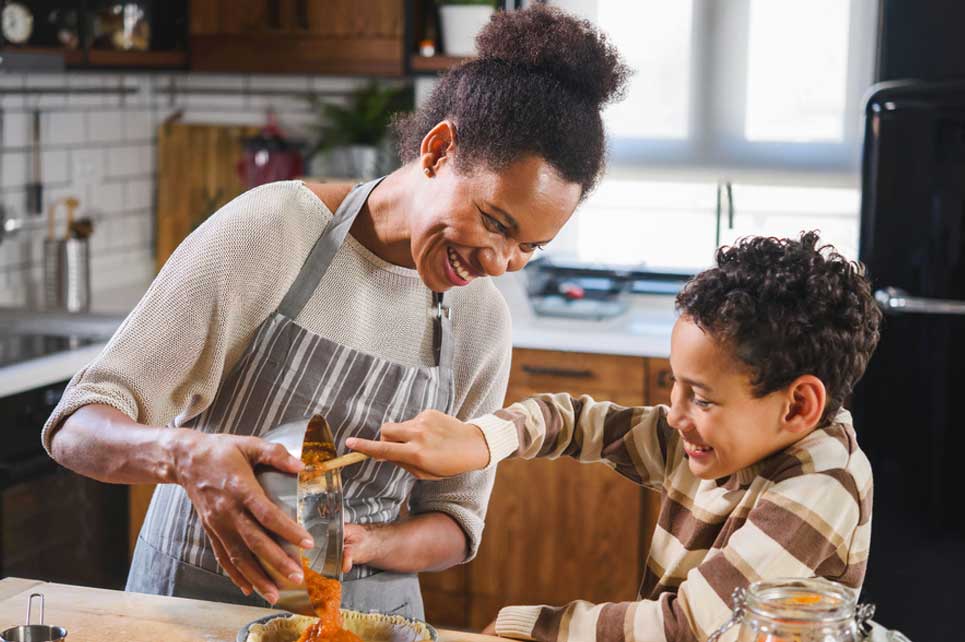
You don’t need a professional kitchen to bake like a professional. With the right learning path and consistent practice, real baking skills can be developed right in your own home kitchen.
There’s a common myth that separates home bakers from “real” bakers. Many people believe you need a commercial oven, years of culinary school, and a kitchen full of imported equipment to create impressive pastries.
In reality, professional baking is built on technique, not equipment. And technique can be learned anywhere, including the kitchen you already have.
What follows is a practical path to developing genuine baking skill. Not a quick-watch-video shortcut, but a realistic approach that builds confidence and mastery step by step.
Start With the Fundamentals (Not the Fancy Stuff)
Professional bakers consistently emphasize the same advice: master the fundamentals first. A small group of techniques appears again and again across baking recipes.
Essential Baking Techniques to Learn
Creaming
Creaming butter and sugar together incorporates air into the mixture. This step directly affects the texture of cakes, cookies, and quick breads.
Folding
Folding gently combines ingredients without deflating the batter. This technique creates light and airy baked goods instead of dense results.
Tempering
Tempering involves controlling temperature carefully when working with ingredients like chocolate or eggs. Proper tempering produces smooth textures and stable mixtures.
Laminating
Laminating dough creates thin alternating layers of butter and dough. This technique is responsible for the flaky structure of croissants, puff pastry, and Danish pastries.
Piping
Piping is a decorative skill that improves the appearance of pastries and desserts. Like handwriting, piping improves with repetition and muscle memory.
You don’t need to learn everything at once. Focus on mastering one technique each month and your baking skills will improve surprisingly quickly.
Build Your Home Baking Toolkit
You do not need a kitchen filled with professional equipment. A small number of reliable tools will support almost everything you want to bake.
Essential Baking Tools
- Kitchen scale: Professional bakers measure ingredients by weight for consistent results.
- Stand mixer or hand mixer: Helps manage mixing tasks and allows you to focus on technique.
- Digital thermometer: Critical for caramel, chocolate, bread dough, and custards.
- Quality baking pans: Heavy, light-colored pans bake evenly and reduce burning.
- Bench scraper: Excellent for handling dough, portioning ingredients, and cleaning work surfaces.
Everything else is optional. The real goal is to bake more often, not accumulate gadgets.
Create a Structured Learning Path
Many self-taught bakers struggle because they jump between random recipes with no structure. Professional baking education is sequential for a reason.
Techniques build upon one another. You learn creaming before laminating, and basic buttercream before complex pastry fillings.
A Sample 12-Month Baking Learning Path
Months 1-2: Basic Doughs and Batters
Focus on cookies, muffins, and quick breads. Practice measuring ingredients by weight and learn how your oven behaves.
Months 3-4: Enriched Doughs and Custards
Try brioche, cinnamon rolls, and pastry cream. These recipes introduce temperature control and patience.
Months 5–6: Laminated Doughs and Chocolate Work
Learn croissants, puff pastry, and chocolate tempering. These techniques separate casual baking from skilled baking.
Months 7–8: Decoration and Presentation
Practice piping, ganache, and basic sugar work to improve the visual presentation of desserts.
Months 9–12: Advanced Multi Component Desserts
Combine techniques into layered cakes, complex desserts, and seasonal creations.
Structured learning is one reason baking subscription boxes like CrumbleCrate are effective. Each monthly kit focuses on a single professional technique with guided instructions and specialty ingredients.
Practice Deliberately
Improvement in baking comes from deliberate practice, not simply repeating the same recipe many times.
Ways to Practice More Effectively
- Experiment with chilling dough for different lengths of time
- Compare brown butter versus regular butter
- Adjust baking time slightly and observe the results
- Track ingredient changes and outcomes
Keeping a simple baking journal can be incredibly helpful. Record what you tried, what you changed, and what happened. Over time this becomes a valuable personal reference.
Learn From High Quality Sources
The internet is full of baking information, but not all sources are equally helpful.
How to Identify Good Learning Resources
- Technique focused education: Prioritize resources that explain why steps matter.
- Written guides with visuals: Photos and diagrams help reinforce instructions.
- Supportive communities: Feedback from other bakers speeds up learning.
- Progressive difficulty: Good education moves from simple to advanced techniques gradually.
Turn Your Kitchen Into a Learning Space
Professional kitchens follow simple principles that can easily be applied at home.
Professional Habits to Adopt
- Mise en place: Measure and prepare all ingredients before starting.
- Clean as you go: An organized workspace prevents mistakes.
- Understand your oven: Every oven has hot spots.
- Allow proper resting time: Many baking processes depend on patience.
Learning at home has an advantage: you are practicing in the same kitchen where you will continue baking for years.
Why Baking Subscription Boxes Help Beginners
It is possible to learn baking independently through books, videos, and experimentation. However, beginners often encounter several obstacles:
- Difficulty sourcing specialty ingredients
- Uncertainty about what to learn next
- Lack of feedback or support
Subscription boxes solve many of these challenges by providing pre-measured ingredients, structured lessons, and an active community of learners.
Your Kitchen Is Already Enough
The difference between a beginner baker and a skilled baker is not equipment or talent. It is technique and consistency.
Learn one technique each month. Practice it until it feels natural. Then move on to the next. Over time your confidence grows, your results improve, and your kitchen begins to feel like a bakery.
Your journey starts exactly where you are today, with the oven you already have and the curiosity to learn.
Frequently Asked Questions

Paula
Crumble Crate is the culmination of years of experimenting with cooking and baking in my home kitchen. Since I was a small child, I found a simple pleasure in creating fresh delicious treats and sharing them with my family and friends. As life became more complicated, the basic task of baking in my kitchen became an even more critical and comforting sanctuary.I want to share this joy of baking with you so that you too can experience the bliss you feel when you create and share fresh baked goodies with your loved ones. My goal is for us to explore baking together and take the stress out of the process so that you can decompress and learn to find refuge in your kitchen. I can’t wait to begin this baking journey with each of you!


