

Why Room Temperature Ingredients Matter and How to Get Them There Quickly
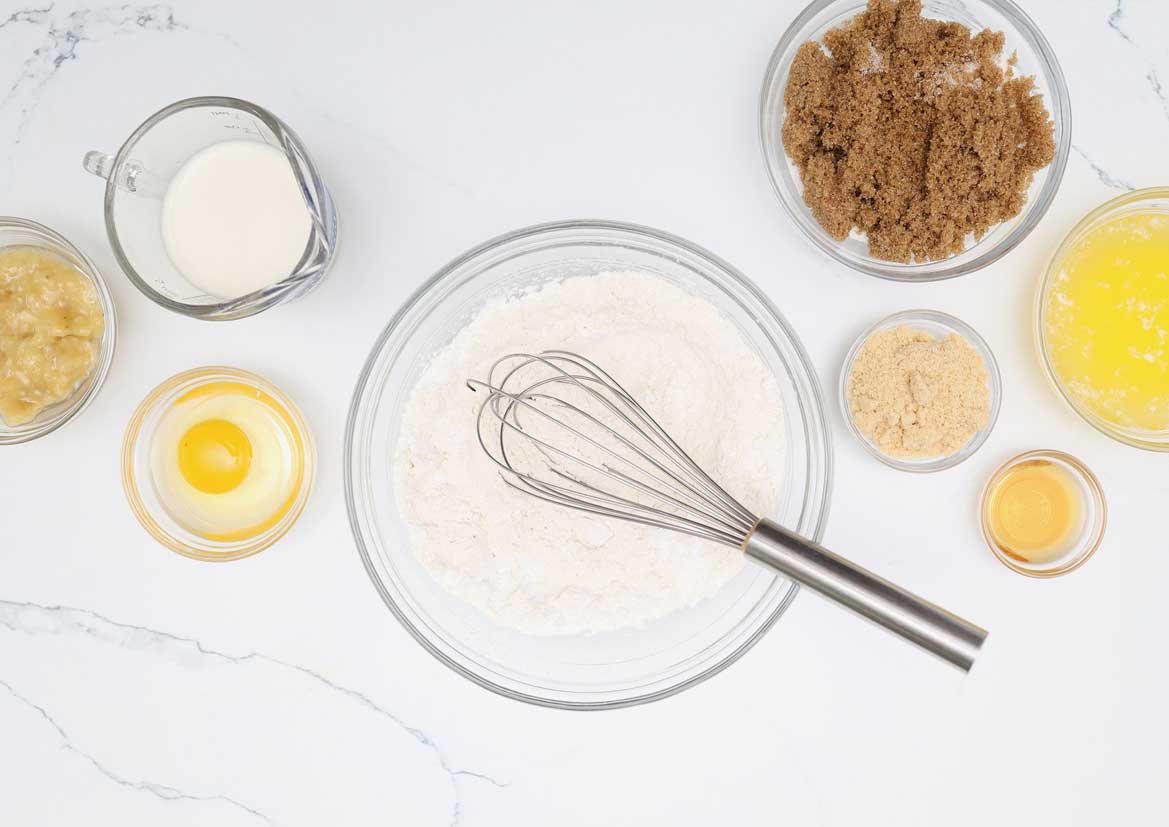
Have you ever wondered why so many baking recipes insist on using room temperature ingredients? Whether it's butter, eggs, or dairy, there's a science behind this common instruction—and following it can mean the difference between a perfect bake and a disappointing one. In this guide, we’ll explore why room temperature matters, when you can make exceptions, and how to bring your ingredients to the right temperature fast, even if you forgot to plan ahead.
Mastering room temperature ingredients is just one of many techniques
ou'll learn with our baking kits — each includes video tutorials from professional pastry chefs explaining the "why" behind every step.What Does "Room Temperature" Mean?
When recipes call for room temperature ingredients, they typically mean around 68–72°F (20–22°C). Ingredients at this temperature mix more easily and evenly, ensuring that air gets incorporated properly and that fat doesn't seize up during mixing. This improves texture, rise, and overall consistency in baked goods.
Why Room Temperature Matters in Baking
- Uniform Mixing: Ingredients at the same temperature combine more thoroughly and quickly, reducing overmixing.
- Proper Aeration: Creaming butter and sugar traps air; cold butter can’t trap air properly.
- Smooth Emulsions: Room temperature eggs and dairy blend better with fats, leading to smoother batters.
- Even Baking: Batters with well-incorporated ingredients bake more uniformly, avoiding dense or uneven textures.
How to Bring Butter to Room Temperature
When You Need Cold Butter
Use cold butter for recipes that require flakiness or lamination, like croissants, puff pastry, and pie crusts. Cold butter creates steam during baking, which lifts and separates layers for that flaky texture.
When You Need Room Temperature Butter
Softened butter is ideal for creaming with sugar, which creates air bubbles that give cakes and cookies a light and fluffy texture. It should be pliable but not oily—your finger should leave a dent without it sliding around.
Quick Ways to Soften Butter
- Cut it up: Slice butter into small cubes to speed up warming (15–30 minutes on the counter).
- Microwave method: Microwave butter on 20% power in 5–10 second bursts. Check frequently.
- Grate and warm: Grate cold butter and place in a bowl over warm water (double boiler style). Stir gently.
How to Bring Eggs to Room Temperature
Why Room Temperature Eggs Are Important
- They aerate faster and produce more volume when whipped.
- They blend smoothly into batters and avoid re-solidifying fats like butter during mixing.
Tip:
Separate eggs while cold (yolks and whites separate more cleanly), then bring them to room temperature.
Quick Ways to Warm Up Eggs
- Whole eggs: Place eggs in a bowl of warm water (not hot!) for 5–10 minutes.
- Separated eggs: Place whites and yolks in separate ramekins, then rest the ramekins in a warm water bath (not boiling) for 5–10 minutes.
How to Bring Milk and Cream to Room Temperature
When to Use Cold vs. Room Temperature Dairy
- Use cold cream: For whipping. Cold fat creates better volume and stability when whipped.
- Use room temperature milk/cream: When combining with other room-temp ingredients, especially after creaming butter. Cold liquids can cause fats to harden and ingredients to seize.
Quick Ways to Warm Milk and Cream
- Microwave: Heat the exact amount needed at 20% power in 10–15 second intervals, stirring in between.
- Stovetop: Warm gently in a saucepan over low heat, stirring often to prevent scorching.
How Long Does It Take to Reach Room Temperature Naturally?
| Ingredient | Time to Reach Room Temp | Quick Tip |
|---|---|---|
| Butter (whole stick) | 30–60 minutes | Cut into cubes or grate to speed up |
| Eggs | 30–90 minutes | Soak in warm water for 5–10 minutes |
| Milk/Cream | 20–30 minutes | Microwave or warm gently on stovetop |
Common Mistakes to Avoid
- Overheating: Microwaving or warming ingredients too fast can melt or cook them—defeating the purpose.
- Guessing: Touching doesn’t always tell you if the inside is the right temperature. When in doubt, use a kitchen thermometer.
- Mixing cold and room temp: This can cause batter to curdle or fat to seize. Consistency is key!
Final Thoughts
Bringing your ingredients to room temperature is a small step with a big payoff. It promotes better texture, lift, and uniform baking. Whether you’re creaming butter, whipping eggs, or folding in milk, having ingredients at the proper temperature ensures that each one plays its role perfectly.
Next time you’re ready to bake, take a moment to prep your ingredients first - or try one of the time-saving hacks above if you’re in a pinch. With practice, it will become second nature - and your baked goods will taste better for it!
Put Your Knowledge Into Practice
Understanding room temperature ingredients is essential - now use that knowledge to create something delicious!$44.75 | Beginner-friendly | 47 5-star reviews
Master the perfect cake roll — temperature control is key
$47.75 | Intermediate | Impressive results
- Video tutorials show exact temperature and mixing stages
- Pre-measured ingredients eliminate guesswork
- Professional techniques explained step-by-step

Paula
Crumble Crate is the culmination of years of experimenting with cooking and baking in my home kitchen. Since I was a small child, I found a simple pleasure in creating fresh delicious treats and sharing them with my family and friends. As life became more complicated, the basic task of baking in my kitchen became an even more critical and comforting sanctuary.I want to share this joy of baking with you so that you too can experience the bliss you feel when you create and share fresh baked goodies with your loved ones. My goal is for us to explore baking together and take the stress out of the process so that you can decompress and learn to find refuge in your kitchen. I can’t wait to begin this baking journey with each of you!


